
Blogs & News
- Category: Flooring
- DATE: October 14, 2024
The Ultimate Gym Flooring Guide to Materials and Installation
When designing a gym, flooring is one of the most critical components that can make a big difference in the finished project. A well-installed gym floor not only enhances the aesthetics of the space but also ensures safety, durability, and optimal performance. Whether you’re setting up a multipurpose school gym or managing a large commercial fitness facility, understanding the proper installation and care of custom gym flooring is essential to keeping it in top condition for years to come.
Types of Gym Flooring Materials
Choosing the right material for your gym floor depends on several factors, including the type of activities and the amount of foot traffic the space will endure. Some of the most common materials include:
Rubber Flooring: Known for its durability and shock absorption, rubber is ideal for high-impact activities like weightlifting or CrossFit.
Foam Flooring: Lightweight and cost-effective, foam is an excellent option for spaces for young kids or areas with lighter use.
Vinyl Flooring: Easy to clean and versatile, vinyl can be used in a variety of gyms, providing a sleek appearance.
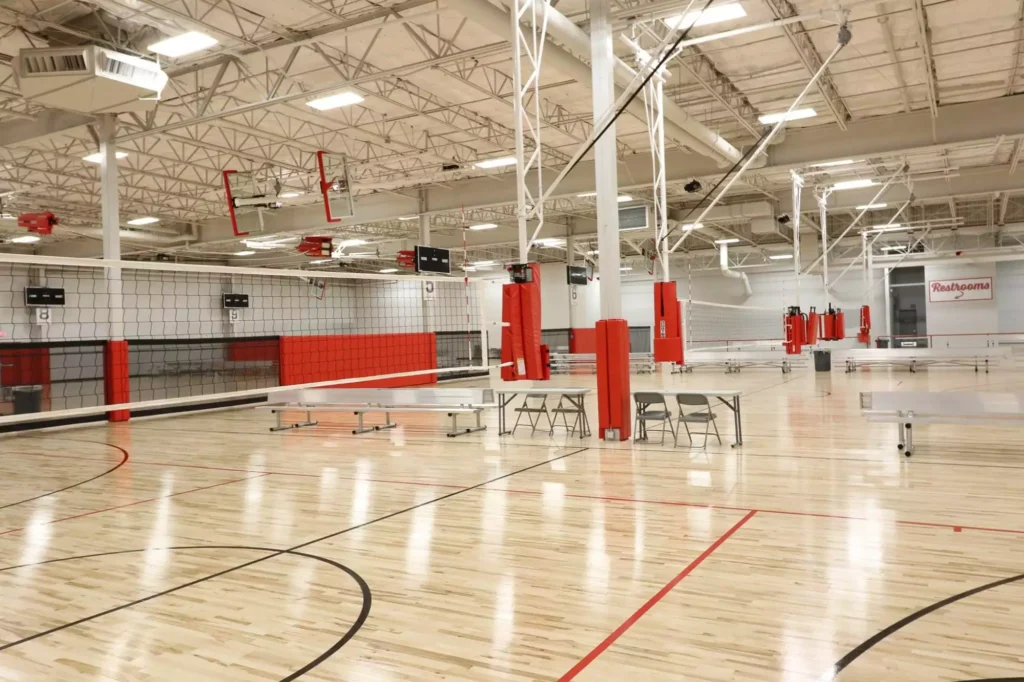
Wood Gym Flooring: This is a popular choice for sports courts and studios focused on professional athletic training, offering a classic look.
Each gym flooring material has its pros and cons, which is why it is important your selection aligns with the function and aesthetics of the space.
Pre-Installation Considerations
Before starting the commercial gym flooring installation process, assessing the gym space is crucial. Some steps include measuring the area, considering your budget, and taking note of the subfloor conditions. Is your subfloor concrete or plywood? Is there any moisture present? Moisture barriers, especially rubber or wood gym flooring, might be necessary to prevent warping or mold growth.
Budgeting is another key factor. While rubber flooring may be more expensive upfront, its durability often makes it a long-term cost-saving investment for high-traffic gyms. Specialty subcontracts like H2I Group can assist with answering these questions!
Post-Installation Care and Maintenance
Once the flooring is installed, proper care is essential to ensure its longevity. Daily cleaning routines, such as sweeping and mopping, will keep debris and dirt from damaging the surface. For rubber floors, a mild detergent will help clean stains, while hardwood may require unique treatments like buffing or gym floor refinishing over time.
Consider adding gym floor coverings in high-traffic areas to reduce wear and use padding under heavy equipment to prevent dents and damage. Regularly rotating equipment and using the right cleaning products for your specific flooring material will help keep your gym looking new.
It is also important to schedule time for professionals to do annual maintenance checks, which can prevent minor issues from turning into costly problems.
When to Replace Your Gym Flooring
No flooring lasts forever. Over time, you may notice cracks, indentations, or wear in high-traffic areas. Uneven surfaces can become a safety hazard, making it essential to assess when it’s time for gym floor refinishing. If the maintenance cost begins to outweigh the benefits, it may be time for a total replacement.
Frequently Asked Questions
How thick is gym flooring supposed to be?
In general, most gym flooring throughout the industry tends to be 3/8” in terms of thickness. This should be thick enough to provide the proper level of cushioning and durability to handle a vast majority of athletic activities. The one exception is in gym areas that experience a lot of heavy impacts, such as in a weight room. In these cases, it’s generally recommended that the flooring be at least ½” in thickness to provide extra shock absorption for safety and to preserve the condition of the materials.
How should gym flooring be cleaned?
The right method for keeping your gym floors clean will depend on the materials, and it’s always recommended that you consult the manufacturer’s materials for any specific instructions regarding cleaning. That said, the highly resilient and durable nature of typical gym flooring materials means they can be kept clean mainly through sweeping followed by washing with soap and water.
What type of gym flooring is best for all-purpose use?
When planning a gym facility intended for multi-purpose use, sythetic flooring is generally the best option. The durability of rubber, combined with its shock-absorption capabilities, make it a good choice to support a wide range of activities. If you’re having a hard time determining the type of flooring that makes the most sense for your specific applications, the team here at H2I Group will be more than happy to talk you through your options. We have the experience and industry connections to help you find the perfect fit for whatever you need.
How much does commercial gym flooring cost?
The cost of your gym floor project is going to vary a lot based on a number of factors. First and foremost is the size of your project, as larger spaces will require more materials and labor to finish. Another important consideration is the type of materials you choose, as some are relatively quick and easy to install while others require a more-involved process that can impact labor costs. As with any type of project, it’s always a good idea to talk to your contractor about all your options so you can choose the course of action that will be the best fit for your budget as well as your needs.
Can I install gym flooring myself?
Some types of home gym floors come in the form of mats or tiles that require relatively little expertise to install. Some may involve simply laying the individual pieces on the floor and connecting them together with tabs. On the other hand, commercial wood or synthetic gym floors are much more involved because they require special tools and know-how to install. It isn’t just about installing the wood piece by piece; you have to prepare the subfloor and think about the gym layout factors such as space utilization and activity requirements ensuring the layout is optimized for functionality as well as aesthetics. Before you attempt to tackle any gym flooring installation on your own, consult with your supplier or contractor and make sure you understand what you’re getting into and whether it might be worthwhile to have professionals handle it.
What’s the best type of flooring for soundproofing a gym?
Gymnasiums and other athletic facilities can be noisy places, but the right type of flooring can mitigate that. In general, the more shock-absorbent the material is, the better it will be at dampening sounds. This means rubber and foam offer high soundproofing capabilities, while wood and vinyl will make the facility noisier. If you’re concerned about how much noise your gym creates, make sure you ask about this when consulting with your contractor.
Does my gym flooring need to extend wall-to-wall, or can I only cover the high-traffic areas?
It’s not recommended to leave any gaps in your gym flooring. Not only do these uncovered areas trap dirt and debris that become much harder to clean, but they also create tripping hazards that can lead to injuries. This is why professional installation is recommended, because pro installers know the best way to ensure complete coverage without wasting materials.
Can I customize the flooring in my gym?
If choosing gym flooring such as rubber, modular tiles, or poured polyurethane, it can come in an extensive range of color options to match your facility’s branding or décor. This gives you virtually limitless possibilities to create the kind of look you want for your gym. You can inquire about painting a wood gym floor, but it is often more beneficial to refinish wood floor by sanding, staining, or applying a new topcoat. However, you also can go beyond this by inquiring about customized logos or wordmarks to enhance specific portions of the floor, such as the center of a basketball court. Ask your contractor or vendor about your options when it comes to customization.
Conclusion
Proper installation and care of custom gym flooring are crucial to creating a safe, functional, and attractive gym space. By selecting the right material, properly installing the flooring, and committing to routine maintenance, you’ll ensure the longevity of your investment. Regardless of your flooring application, attention to detail is critical in both the installation and care phases.
At H2I Group, we specialize in helping you design and build exceptional spaces tailored to your unique needs. From indoor basketball courts to sports entertainment venues, we have the expertise to bring your vision to life. Trust us to deliver spaces that perform as well as they look! Email us at [email protected] to share your vision and start your project today.
recent blogs

GET STARTED
LET’S TALK ABOUT YOUR PROJECT TODAY
Are you in need of expert guidance for your building project? H2I Group’s experienced professionals are here to assist you with any questions or concerns you may have. Contact us today to learn more about our services and how we can help you achieve your goals.