
Blogs & News
- Category: Flooring
- DATE: April 12, 2023
Are Your Bleachers Damaging Your Gym Floor?
Maintaining a gym floor to stay in top condition can be difficult. There are a lot of unseen factors to watch out for that can cause severe damage to your floor, even if you are following all preventative care options. Besides the obvious causes of damage, we have found in recent years that bleachers can be the source of many issues.
What about the Wheels?
While many know that heavy or consistently moving bleachers can be a problem, one part some may forget about is the wheels. Bleachers normally have around 3-5 rubber wheels on each rolling frame to distribute the weight of the seating structure and its occupants. These wheels protect the floor when the movement of bleachers is involved but can end up causing harm if they are too old.
Experts from H2I Group have recalled that “In the past, we would get a couple of calls each year for replacement wheels, but now, in the last few years, we are finding dried out, crumbling wheels in an alarming number of gyms.” While we are unsure of the direct cause, our suspect is gassing from cleaning agents or possibly the floor finish itself.
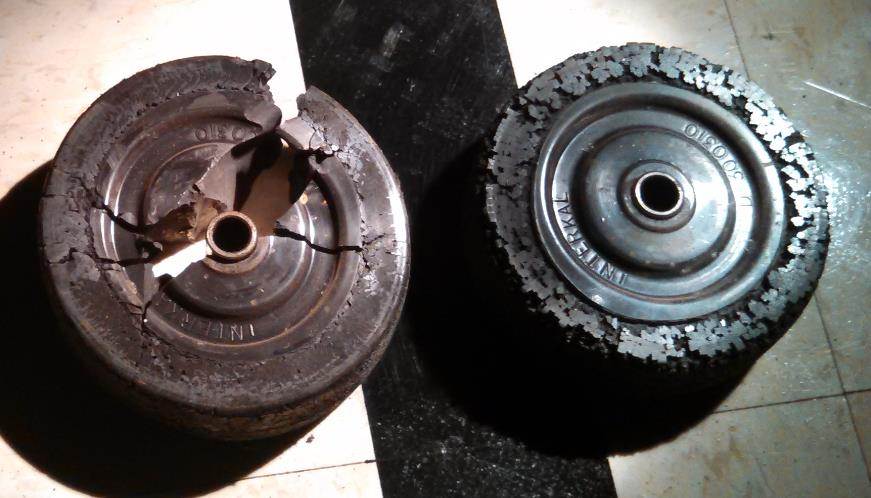
Airflow can also affect the deterioration of wheels, as we have found that wheels closest to the front skirt board tend to break down much faster than the rearward wheels. There are likely numerous factors working together to speed up the aging process of bleacher wheels, but in general, it is most important to be aware of the problem. This way, you can watch for crumbling wheels that could cause permanent gym floor damage.
preventative maintenance is key
If left untreated, the wheels could result in major damage that takes a long time to repair. Make sure you schedule your annual preventative maintenance and keep an eye out for wheels that need to be replaced. You can also bring in an outside contractor to inspect your facility from time to time to ensure everything is in good condition!
Contact our Service and Support team to schedule any maintenance needs or click to learn more about our Flooring or Athletic solutions.
recent blogs

GET STARTED
LET’S TALK ABOUT YOUR PROJECT TODAY
Are you in need of expert guidance for your building project? H2I Group’s experienced professionals are here to assist you with any questions or concerns you may have. Contact us today to learn more about our services and how we can help you achieve your goals.