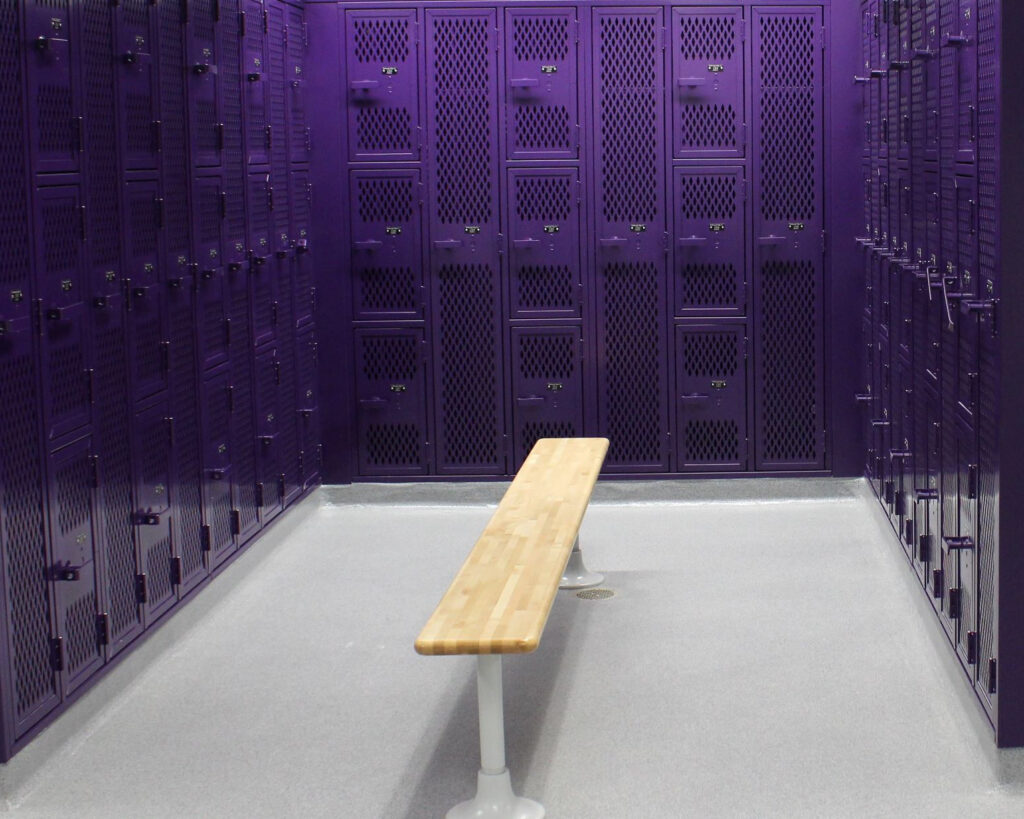
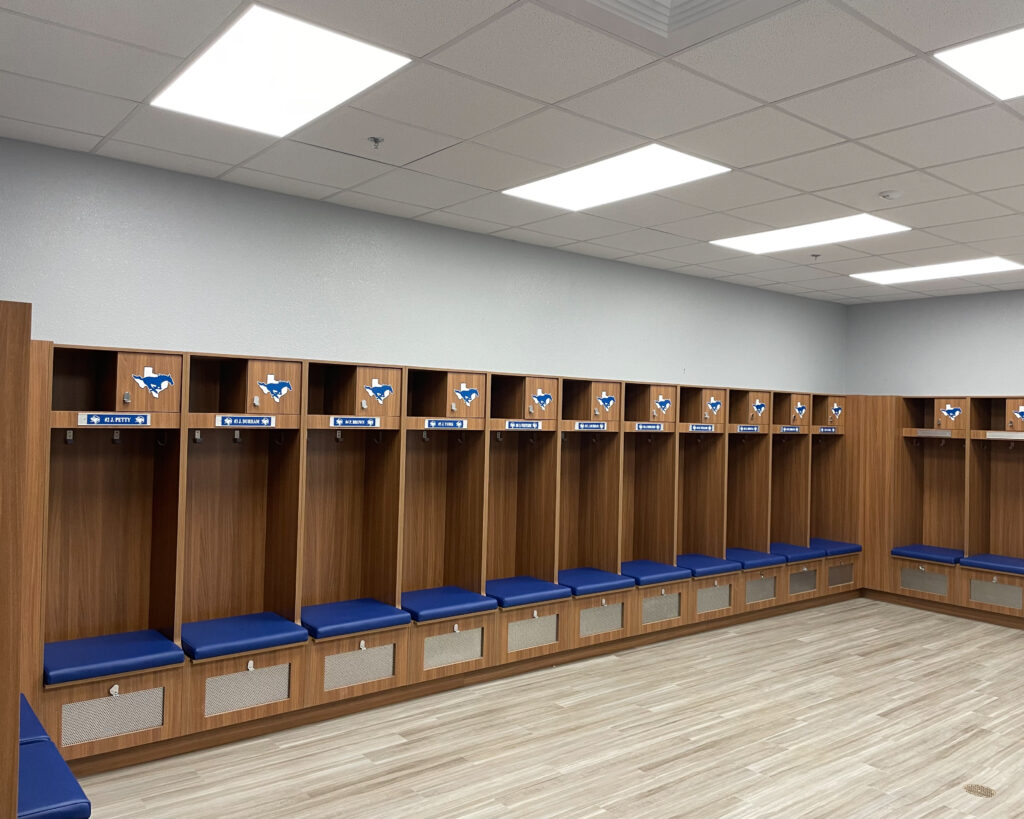
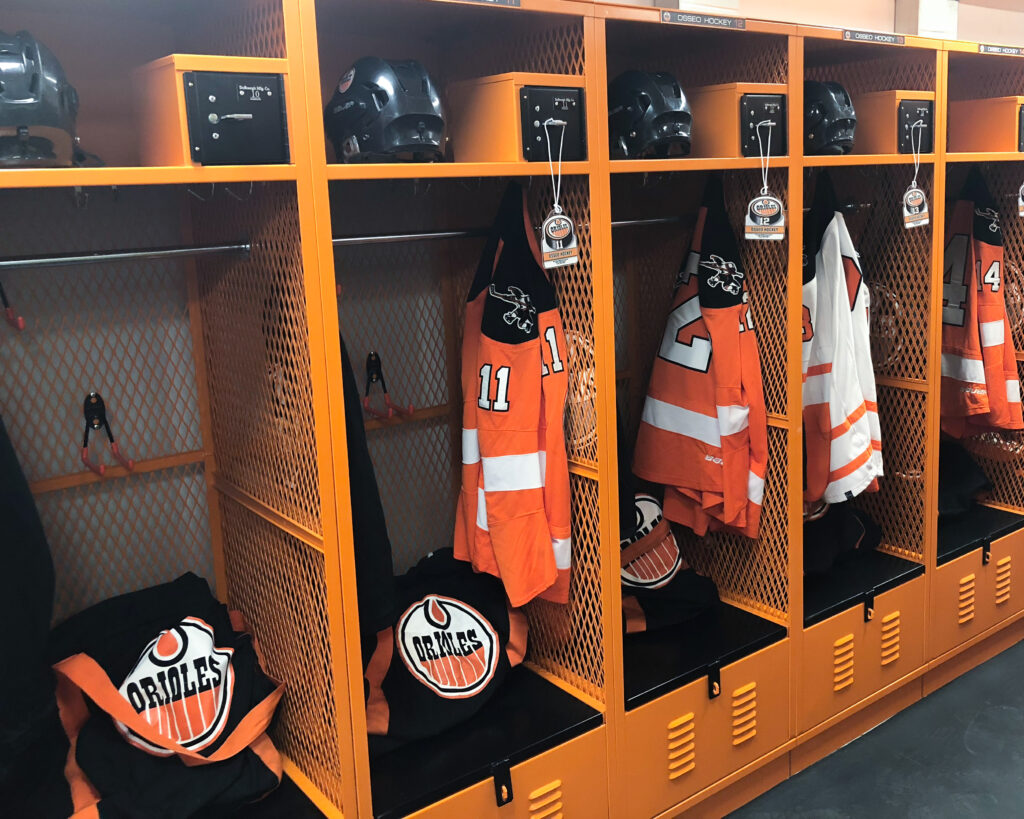
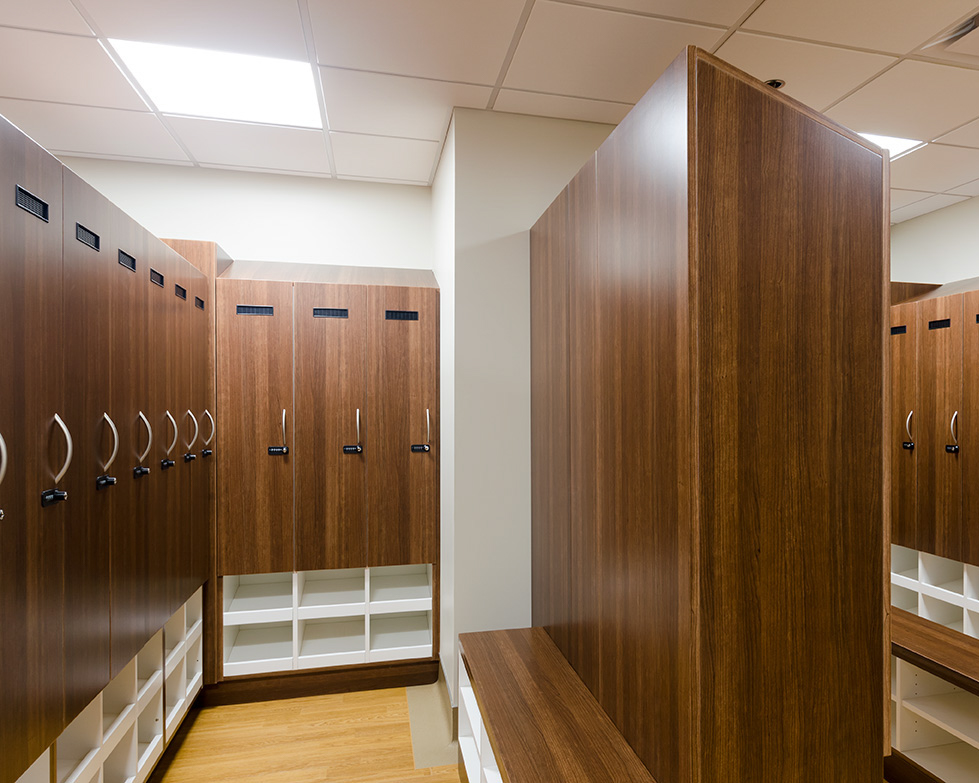
Cubby lockers provide simple, organized storage when users need quick access to personal belongings, clothing, or equipment. From schools and athletic facilities to recreation centers and other commercial spaces, the right cubby system can help keep shared areas organized while making efficient use of available space.
H2I Group works with clients, architects, and construction partners to provide locker solutions suited to the needs of each facility. Our team can help coordinate product selection, planning, and installation as part of a larger project or locker upgrade.


School cubby lockers give students a designated place for backpacks, coats, books, and other personal items. Open compartments make belongings easy to see and access, making cubbies especially useful in classrooms and other supervised areas.
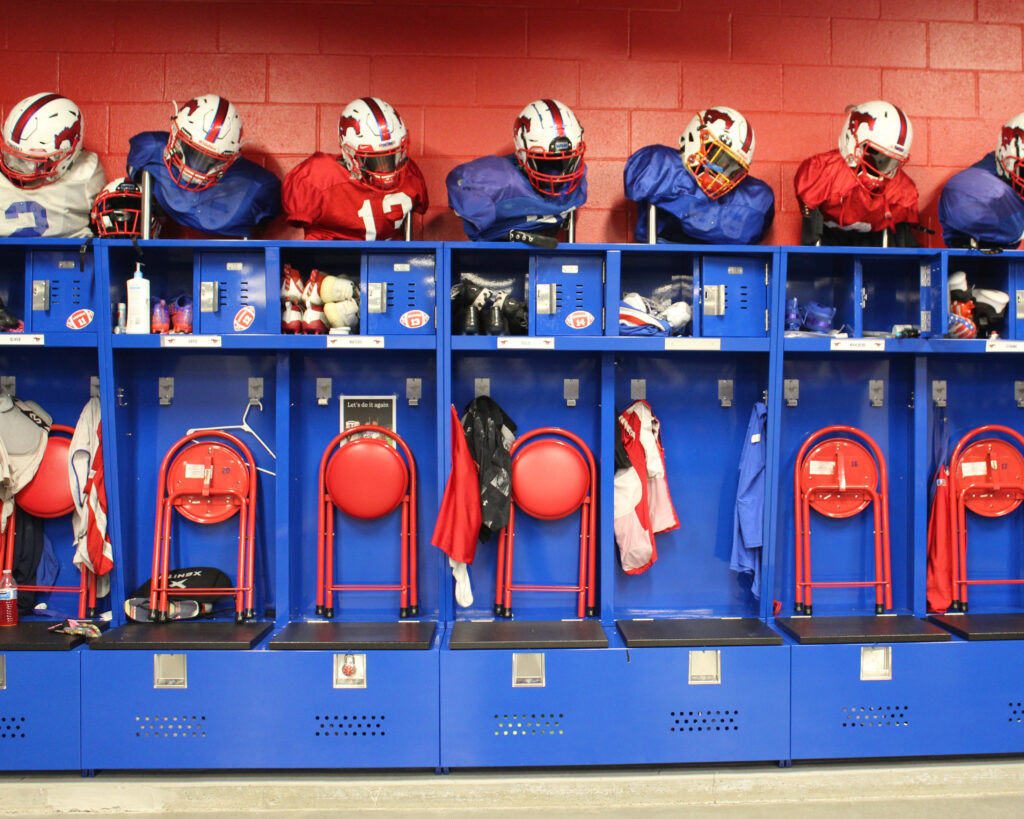
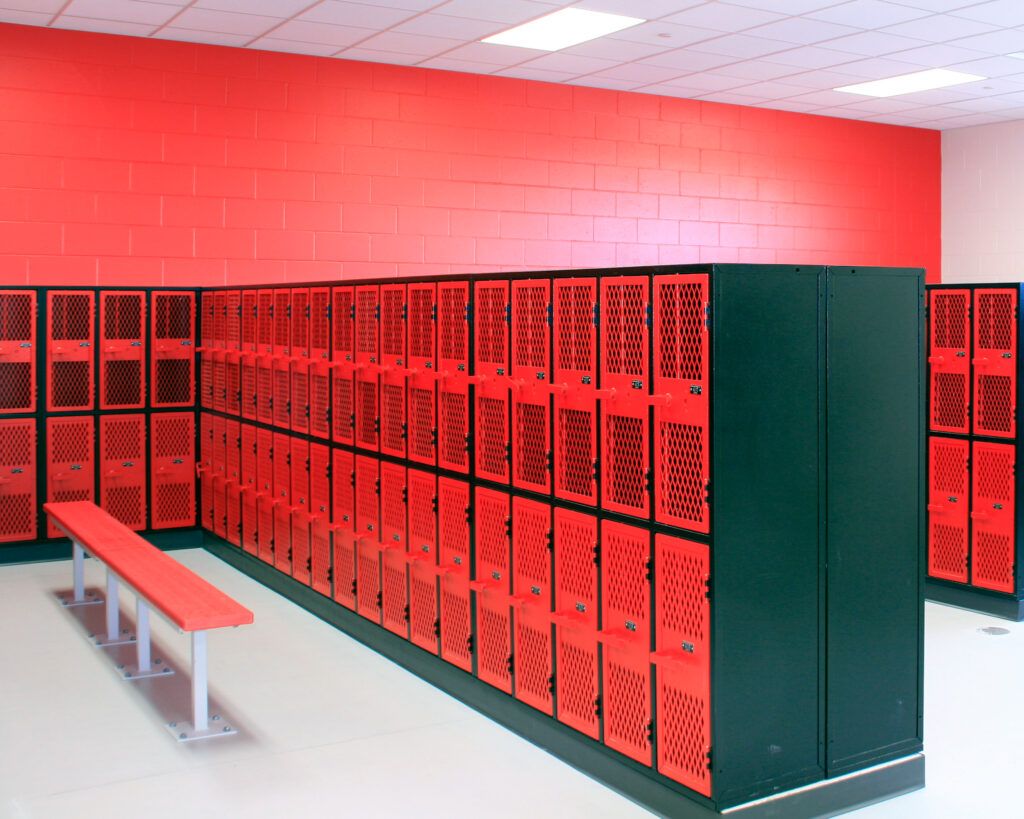
Athletic cubby lockers can provide similar benefits in locker rooms, team spaces, gyms, and recreation facilities. Athletes can quickly store or retrieve clothing and equipment without opening and closing locker doors. Open designs may also allow more airflow around stored items than fully enclosed lockers.
Commercial cubby lockers can support storage needs in other shared spaces as well. Different configurations allow facilities to organize personal items or equipment while reducing clutter in common areas.
Unlike traditional enclosed lockers, open cubby lockers prioritize visibility and immediate access. Each user can have a dedicated compartment while staff can more easily monitor and maintain an organized space.
Materials, finishes, and configurations should be selected for the demands of the facility. High-use schools and athletic spaces, for example, may prioritize durability and easy cleaning. The appropriate solution depends on how often the cubbies will be used, what they will hold, and the conditions within the space.
Cubby lockers and traditional lockers serve different storage needs. Open cubbies are well suited to supervised areas where convenience and quick access are priorities. Enclosed lockers may be a better fit when users need additional privacy or security for their belongings.
H2I Group offers a broader range of Lockers & Storage solutions, allowing project teams to compare cubbies with other locker types based on the facility’s needs.
Start by considering what users need to store. Backpacks and coats may require a different cubby size or configuration than athletic gear or smaller personal items. The number of users, available space, traffic patterns, cleaning needs, and desired level of security should also guide product selection.
For custom cubby lockers, early coordination can help ensure the storage system fits the overall project. H2I Group can work alongside architects and construction partners to coordinate specifications and project requirements. Depending on the project, resources such as samples, cut sheets, BIM capabilities, and shop drawings can also support planning and coordination.
Choosing the product is only one part of a successful locker project. Planning, purchasing, scheduling, and installation all need to work with the broader construction process.
As a specialty subcontractor, H2I Group works with clients and project partners to coordinate locker solutions from early planning through installation. Our relationships with manufacturing partners help us identify solutions based on the facility, specifications, budget, and project goals.
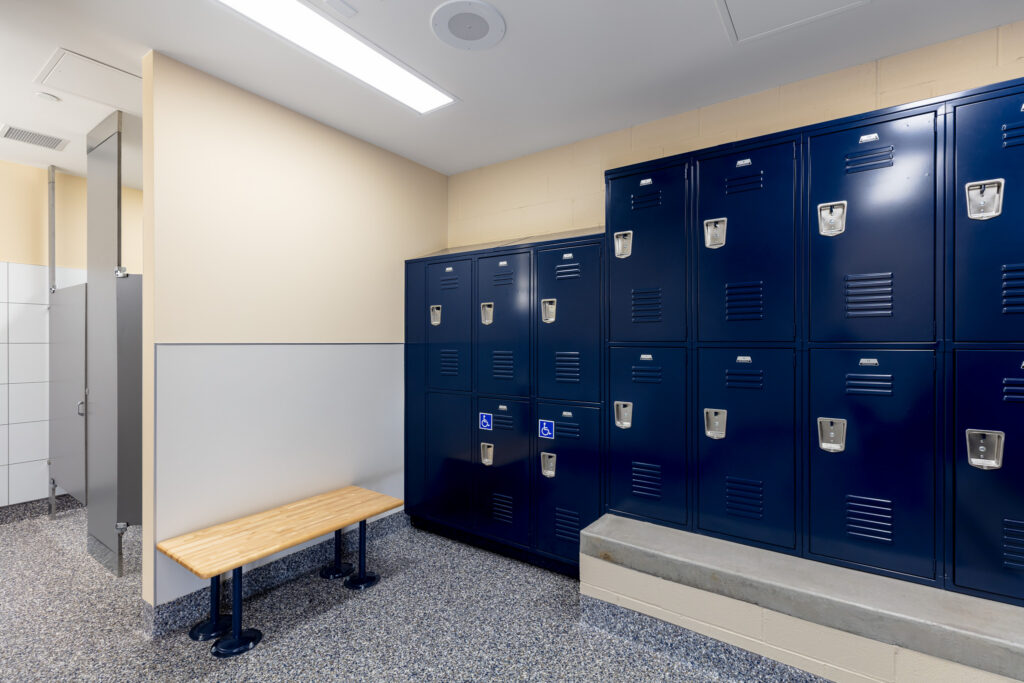
Cubby lockers are commonly used in schools, locker rooms, team spaces, gyms, recreation facilities, and other shared commercial or institutional spaces.
Consider the items being stored, number of users, available space, required durability, and whether belongings need to be secured. H2I Group can help evaluate these factors when selecting a solution.
Options vary by manufacturer and application. Material and finish selection should account for appearance, durability, cleaning needs, moisture, and expected use.
Whether you’re planning a new facility or updating an existing space, H2I Group can help coordinate cubby lockers and related storage solutions. Contact H2I Group to discuss your project requirements and find a solution that fits your space.
September 30, 2026
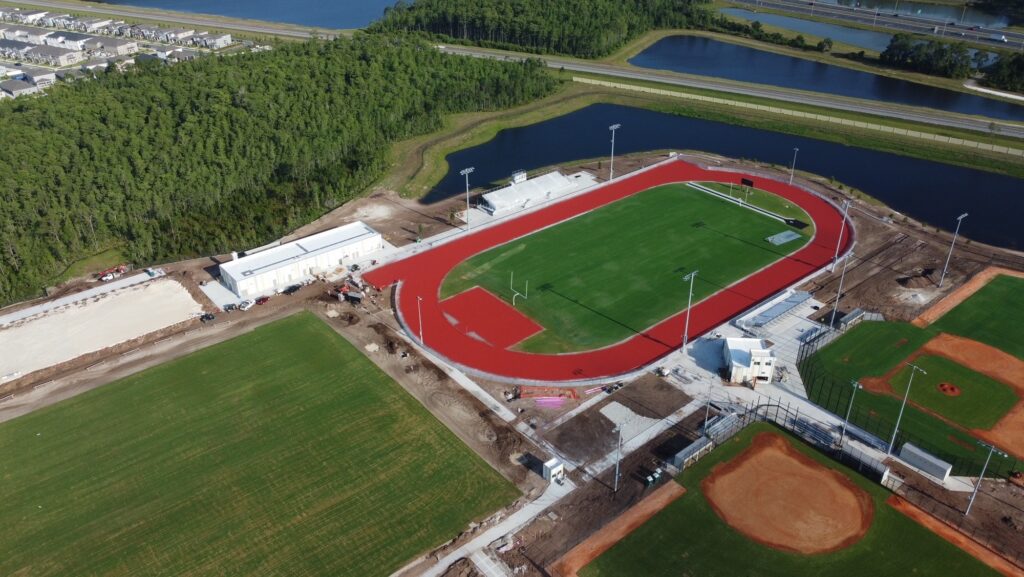
If you are planning a new athletic facility or replacing an aging field, one of your first questions may be, “How much is a turf field?” A full-sized synthetic sports field can cost about $700,000 to $2.5 million, but that broad range is only a starting point. Field size, site conditions, drainage, turf quality, labor, and added equipment all shape the final price.
Read MoreSeptember 16, 2026
From K-12 gyms to collegiate research and tech-ed labs, see eight H2I Group education projects across the country. Explore our laboratory, athletic, and STEM work for schools and universities.
Read More