
Blogs & News
- Category: Athletic
- DATE: October 14, 2026
What ASTM F3783-26 Means for K-12 and Higher Education Athletic Facility Managers
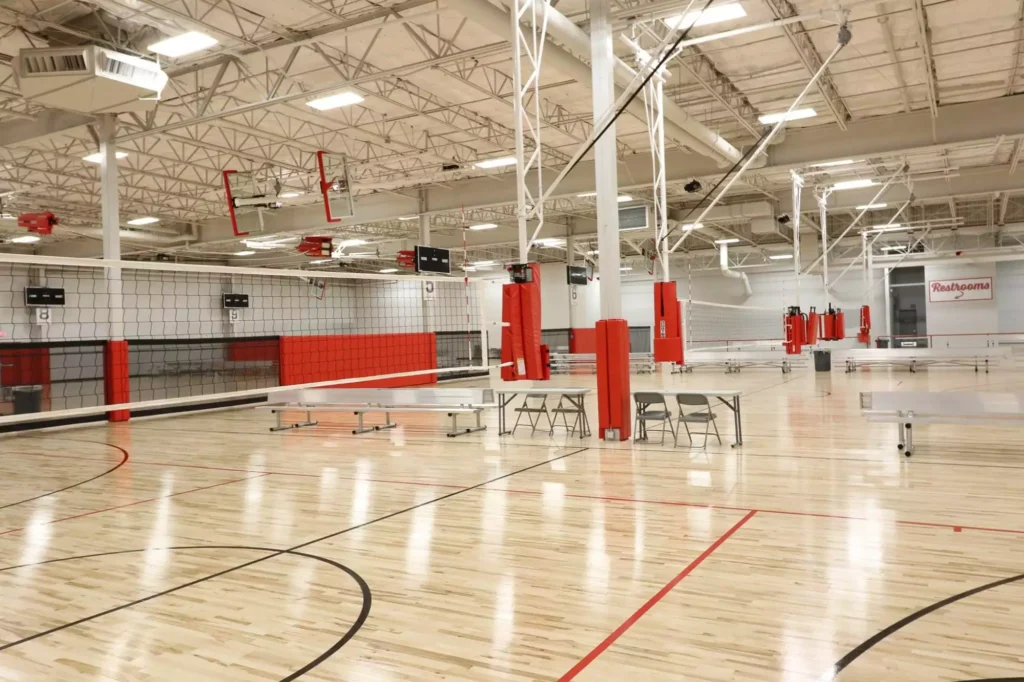
Walk into almost any school gymnasium and you’ll find equipment that has been operating reliably for years, often with little visibility into the mechanical systems working behind the scenes. Basketball backstops fold into the ceiling, divider curtains separate activity spaces, volleyball systems are raised and lowered, and wrestling mat storage systems support daily athletic operations.
While these systems are essential to the functionality of modern athletic facilities, they also represent some of the largest and most complex pieces of equipment in the building. Recognizing the need for a consistent approach to inspection and maintenance, ASTM International recently published ASTM F3783-26, Standard Guide for Inspections and Maintenance of Permanently Installed Indoor Gymnasium Equipment. The guide was developed to help facility owners and operators establish best practices for inspecting, servicing, and maintaining permanently installed athletic equipment.
For facility directors, operations teams, and school administrators, the standard serves as a reminder that maintaining athletic equipment is not simply a maintenance task. It is a critical component of facility safety, risk management, and long-term asset stewardship.
Why ASTM Developed F3783-26
According to ASTM International, the guide was created because permanently installed gymnasium equipment consists of mechanical systems that can wear, deteriorate, or fall into disrepair through normal use. The standard notes that periodic inspection, maintenance, and service are necessary to help ensure continued safe operation and reduce the potential hazards associated with mechanical failure.
Unlike a specification that establishes strict performance criteria, ASTM F3783-26 is intended as a guide. Its purpose is to provide facility owners with a framework for evaluating inspection and maintenance practices while promoting improved safety and performance.
The publication of the standard reflects a broader industry trend toward proactive facility management, where routine inspections and documentation help identify potential issues before they become significant operational or safety concerns.
Equipment Covered by the Standard
The guide specifically addresses several common types of permanently installed indoor gymnasium equipment, including:
- Ceiling-suspended basketball backstops
- Wall-mounted basketball backstops
- Ceiling-suspended volleyball systems
- Gymnasium divider curtains
- Wrestling mat lifting and storage systems
These systems are frequently located overhead, operate through mechanical lifting mechanisms, and experience repeated use throughout the school year. Because many of their critical components are not readily visible during normal operation, periodic inspections play an important role in identifying wear, damage, or maintenance needs.
Moving Beyond a Reactive Maintenance Approach
In many facilities, maintenance historically occurs when an issue becomes noticeable. A backstop begins operating unevenly. A curtain motor makes unusual noise. A cable shows signs of wear.
The philosophy behind ASTM F3783-26 encourages facility owners to move beyond this reactive approach. Instead of waiting for performance issues to emerge, the standard promotes a structured process of inspection, maintenance, and service designed to support safe operation over the life of the equipment.
By identifying concerns early, facility teams can often:
- Address minor issues before they become major repairs
- Improve equipment reliability
- Reduce unexpected downtime
- Support safer athletic environments
- Better manage long-term maintenance budgets
For school districts and universities operating multiple athletic facilities, this proactive approach can also improve consistency across campuses.
The Importance of Inspection Documentation
One of the most valuable outcomes of a formal inspection program is documentation.
Industry reporting on the new standard notes that detailed records of inspections, maintenance activities, and service history are an important part of effective equipment management. Maintaining this information helps facility teams track equipment condition over time and make informed decisions regarding repairs, upgrades, and future replacement planning.
Documentation can also support communication among maintenance departments, risk managers, athletic directors, administrators, and outside service providers. When accurate records exist, decision-makers have greater visibility into the condition and history of critical facility assets.
Why Annual Inspections Matter
According to reporting from American School & University, ASTM F3783-26 recommends at least annual inspection and servicing of covered gymnasium equipment. The objective is to identify wear, deterioration, and potential mechanical issues before they result in equipment failure or safety incidents.
Annual inspections help facility owners evaluate:
- Structural attachment points
- Mechanical lifting components
- Cables and pulleys
- Winches and drives
- Hardware connections
- Equipment alignment and operation
- Signs of wear and deterioration
For facilities that experience heavy daily use, these inspections can become an important component of a broader preventive maintenance strategy.
Understanding the Risk Management Perspective
Although ASTM standards are generally voluntary, industry experts note that consensus standards often influence expectations related to facility operations, maintenance practices, and risk management. Reporting surrounding the release of the standard indicates that insurers and risk-loss prevention professionals may increasingly look to standards such as ASTM F3783-26 when evaluating facility maintenance programs and safety practices.
For schools and higher education institutions, that makes documented inspections and maintenance more than a facilities concern. They become part of a larger conversation about risk reduction, safety culture, and responsible stewardship of public and institutional resources.
What Facility Owners Should Do Next
The release of ASTM F3783-26 provides an opportunity for facility leaders to evaluate current practices and identify areas for improvement.
Consider the following steps:
- Inventory all permanently installed gymnasium equipment.
- Review existing maintenance and inspection records.
- Establish a documented inspection schedule.
- Verify manufacturer-recommended maintenance requirements.
- Schedule professional inspections where appropriate.
- Maintain records of inspections, service, and repairs.
- Develop long-term lifecycle plans for aging equipment.
Taking these steps can help align facility operations with recognized industry guidance while supporting safe and reliable athletic environments.
How H2I Group Can Help
Athletic facilities represent long-term investments that are expected to serve students, athletes, educators, and communities for decades. As expectations for facility safety and asset management continue to evolve, organizations are increasingly looking for structured approaches to inspection, maintenance, and equipment lifecycle planning.
H2I Group works with K-12 schools, colleges, and recreation facilities to help evaluate equipment conditions, identify maintenance needs, and develop strategies that support safe and dependable facility operations. The publication of ASTM F3783-26 reinforces a principle that many facility leaders already understand: proactive inspections and documented maintenance programs are key components of protecting both people and investments.
Reach out to the H2I Group service and support team with any needs and explore our complete list of athletic solutions.
recent blogs
GET STARTED
LET’S TALK ABOUT YOUR PROJECT TODAY
Are you in need of expert guidance for your building project? H2I Group’s experienced professionals are here to assist you with any questions or concerns you may have. Contact us today to learn more about our services and how we can help you achieve your goals.