
Blogs & News
- Category: Athletic
- DATE: November 11, 2026
Benefits of
Indoor Sports Facilities
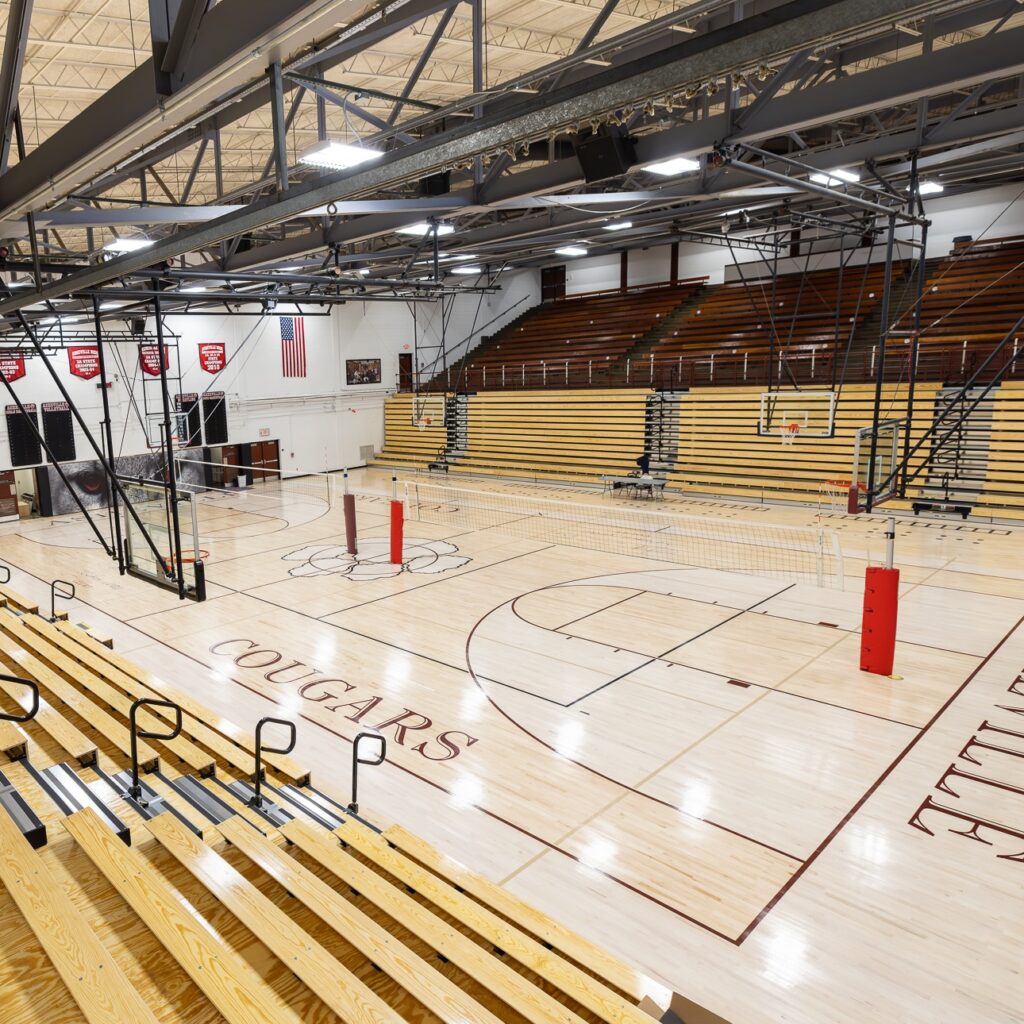
Indoor athletic facilities give schools, sports clubs, universities, and communities dependable places to train, compete, and gather throughout the year. Their value extends beyond protection from the weather to include safer surfaces, flexible programming, stronger community engagement, and new revenue opportunities.
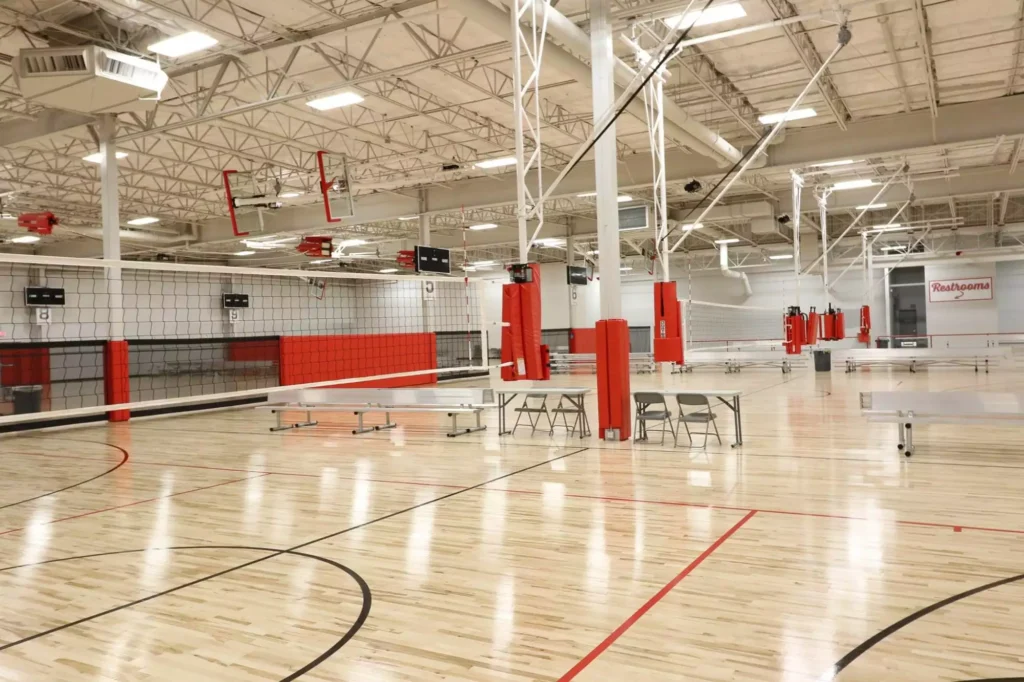
The primary benefits of indoor sports facilities include year-round availability, consistent playing conditions, adaptable spaces, and greater scheduling reliability. A well-planned facility can support competitive athletics, physical education, recreation, tournaments, and community events within the same building.
For architects, contractors, and facility managers, achieving these benefits requires thoughtful planning. Flooring, athletic equipment, seating, storage, circulation, lighting, and maintenance needs should be coordinated around the facility’s intended users and long-term program goals.
Core Benefits of Indoor Sports Facilities
Weather protection is one of the clearest advantages of playing indoor sports. Rain, snow, high winds, extreme heat, and poor outdoor field conditions are less likely to interrupt practices, games, physical education classes, or recreational programming.
A controlled indoor environment also gives athletes more consistent lighting, temperature, equipment access, and playing surfaces. These predictable conditions can help players concentrate on training and allow coaches to follow structured development plans throughout the year.
Health and Performance Benefits
A year-round sports facility makes it easier for people to remain physically active during seasons when outdoor exercise is limited. Regular participation can support physical health, mental well-being, confidence, social connections, and teamwork skills.
Indoor environments also give coaches greater control over training conditions. Sport-specific surfaces, reliable lighting, and access to performance equipment can support focused drills, conditioning, skill development, and the effective use of training technology.
Indoor facilities are not automatically safer than outdoor venues, but deliberate design can reduce certain hazards. Shock-absorbing flooring, wall padding, well-maintained equipment, clear circulation routes, and controlled conditions can help limit risks associated with wet, uneven, or unsuitable surfaces.
Year-Round Availability and Scheduling
Reliable access enables sports clubs and institutions to offer uninterrupted programming across seasons. Teams can maintain practice schedules, schools can protect instructional time, and recreation departments can provide consistent activities without continually developing weather-related backup plans.
Greater availability can also expand rental hours. Early-morning training, evening leagues, weekend tournaments, camps, clinics, and community events allow one facility to serve more users while making productive use of previously unavailable time.
Safety, Accessibility, and Compliance
Safety planning should begin with how athletes, spectators, employees, and equipment move through the building. Clear routes between entrances, courts, seating, locker rooms, storage areas, and exits can reduce congestion and improve everyday facility operations.
Accessibility must be considered throughout the facility, including entrances, routes, seating areas, restrooms, and participant spaces. Architects and code professionals should verify applicable ADA requirements, occupancy rules, emergency egress provisions, and local building codes for each project.
Interior sports lighting, emergency lighting, slip-resistant surfaces, protective padding, and correctly installed equipment are also essential. Regular inspections should confirm that playing surfaces and athletic systems remain secure, functional, and appropriate for their intended uses.
Design, Construction, and Materials
The right athletic flooring depends on the sports, performance expectations, traffic levels, and maintenance resources involved. H2I Group’s athletic solutions include flooring and specialized equipment for gymnasiums, fieldhouses, schools, colleges, recreation centers, and other athletic environments.
Durable spectator seating, scoreboards, divider curtains, basketball systems, volleyball equipment, lockers, and storage can make an indoor sports complex more functional. Coordinating these elements early helps avoid conflicts among equipment, structure, lighting, and mechanical systems.
H2I Group’s design and engineering capabilities include 2D, 3D, and BIM coordination. Incorporating specialty equipment into coordinated models can clarify layouts, support installation planning, and help project teams identify spatial conflicts before they reach the field.
Considerations for Sports Clubs
Sports clubs should assess membership, anticipated growth, peak usage, league requirements, and the types of activities they expect to host. Facility scale should reflect realistic demand rather than relying only on current participation.
A multi-purpose sports facility may use court striping, retractable equipment, divider curtains, portable systems, and flexible seating to support different programs. Storage must be planned carefully so changeovers remain efficient and unused equipment does not obstruct circulation.
Indoor vs. Outdoor Sports: Comparative Benefits
Indoor facilities provide climate control, consistent surfaces, and predictable schedules. Outdoor venues offer open space and natural light, but their availability and playing conditions remain more dependent on temperature, precipitation, wind, and daylight.
Maintenance needs also differ. Indoor surfaces and equipment receive protection from direct weather exposure, while the building requires ongoing attention to HVAC, lighting, utilities, cleaning, and other operating systems.
Indoor facilities can offer more rentable hours and dependable programming, but revenue is never guaranteed. Owners should compare construction and lifecycle costs with local demand, planned programming, staffing needs, pricing, and expected utilization before making investment decisions.
Revenue, Programming, and Community Impact
Diversified programming can help a facility reach more users and avoid dependence on one sport. Competitive leagues, recreational play, lessons, tournaments, camps, fitness programs, walking hours, and non-sport events can create a balanced calendar.
Schools and municipalities can also develop partnerships with sports clubs, healthcare organizations, youth programs, and community groups. Shared use can increase participation while giving residents safe, inclusive places to exercise, socialize, and build lasting connections.
Hosting tournaments may attract visiting athletes and families who spend money at nearby hotels, restaurants, and businesses. Peak and off-peak pricing can further improve utilization, although rates should remain consistent with community needs and the facility’s financial goals.
Maintenance, Service, and Lifecycle Planning
Preventive maintenance protects the investment and reduces unexpected disruptions. Facility managers should establish schedules for floor care, equipment inspections, bleacher servicing, scoreboard checks, cleaning, refinishing, and replacement planning.
Service agreements and manufacturer warranties should be reviewed during product selection rather than after installation. Clear documentation helps staff understand inspection intervals, warranty conditions, approved cleaning methods, and the parties responsible for servicing each system.
Coordinated equipment records can also support long-term asset management. H2I Group offers service and support for athletic flooring and equipment, including inspections, repairs, replacement, upgrades, and preventive maintenance.
Market Applications and Case Studies
K-12 schools and universities can use indoor facilities for athletics, physical education, intramurals, student wellness, and special events. Sports clubs can create reliable training environments, while professional and amateur organizations can support performance and competition needs.
Municipal parks and recreation facilities can serve broader audiences through youth leagues, adult recreation, wellness programs, civic events, and after-school activities. Flexible equipment and durable materials help these heavily used spaces accommodate changing community needs.
Plan an Indoor Sports Facility with H2I Group
H2I Group helps architects, contractors, and facility managers plan and outfit indoor athletic spaces with flooring, equipment, seating, lockers, storage, and ongoing service. Contact H2I Group to discuss design coordination, product selection, installation, or maintenance for your next indoor sports facility.
recent blogs

GET STARTED
LET’S TALK ABOUT YOUR PROJECT TODAY
Are you in need of expert guidance for your building project? H2I Group’s experienced professionals are here to assist you with any questions or concerns you may have. Contact us today to learn more about our services and how we can help you achieve your goals.