
Chemical Fume Hoods
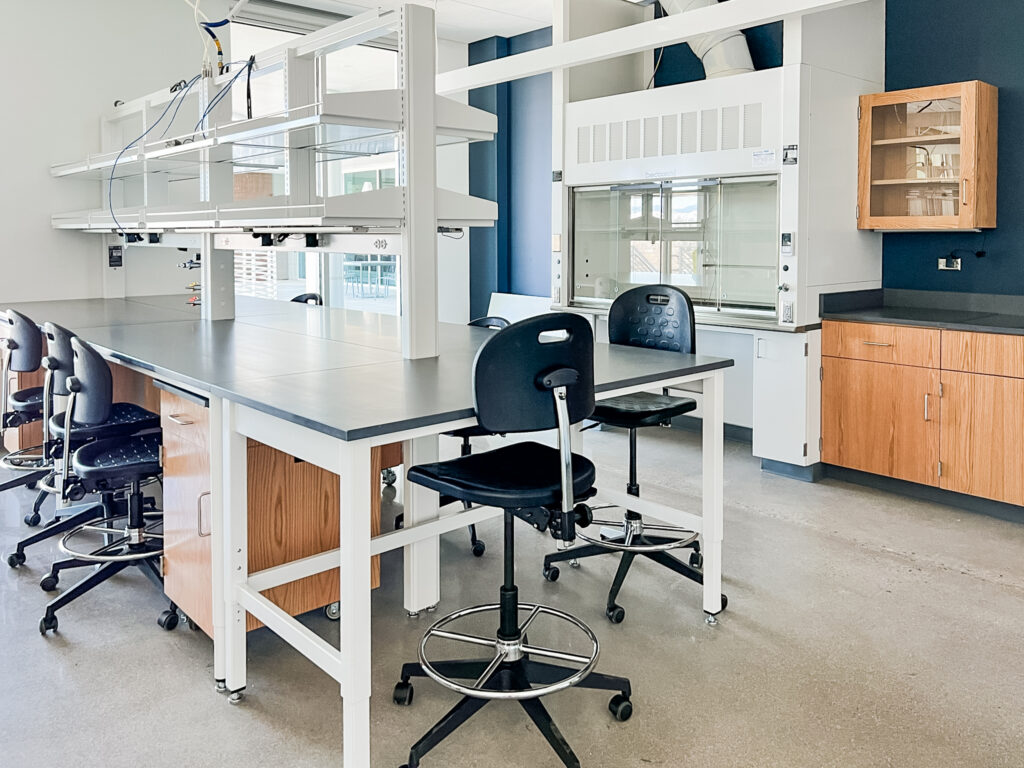
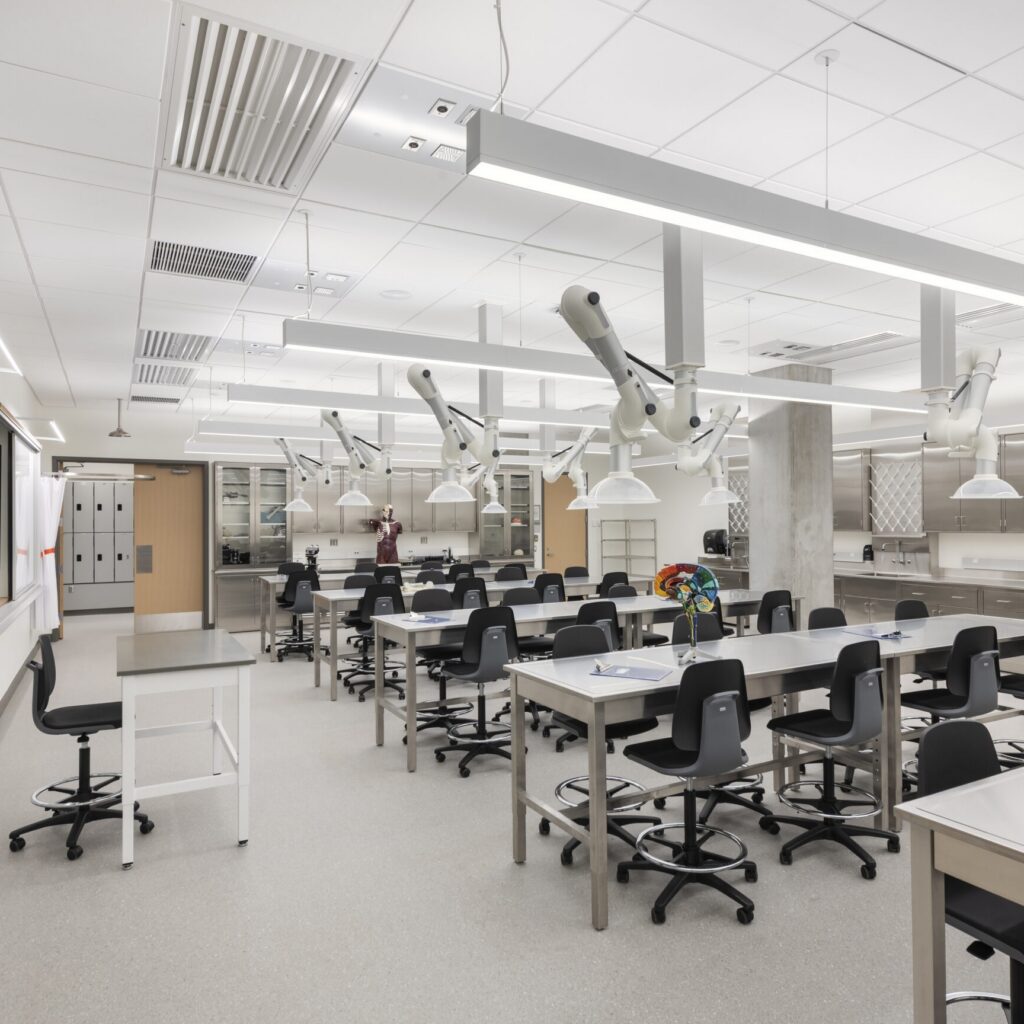
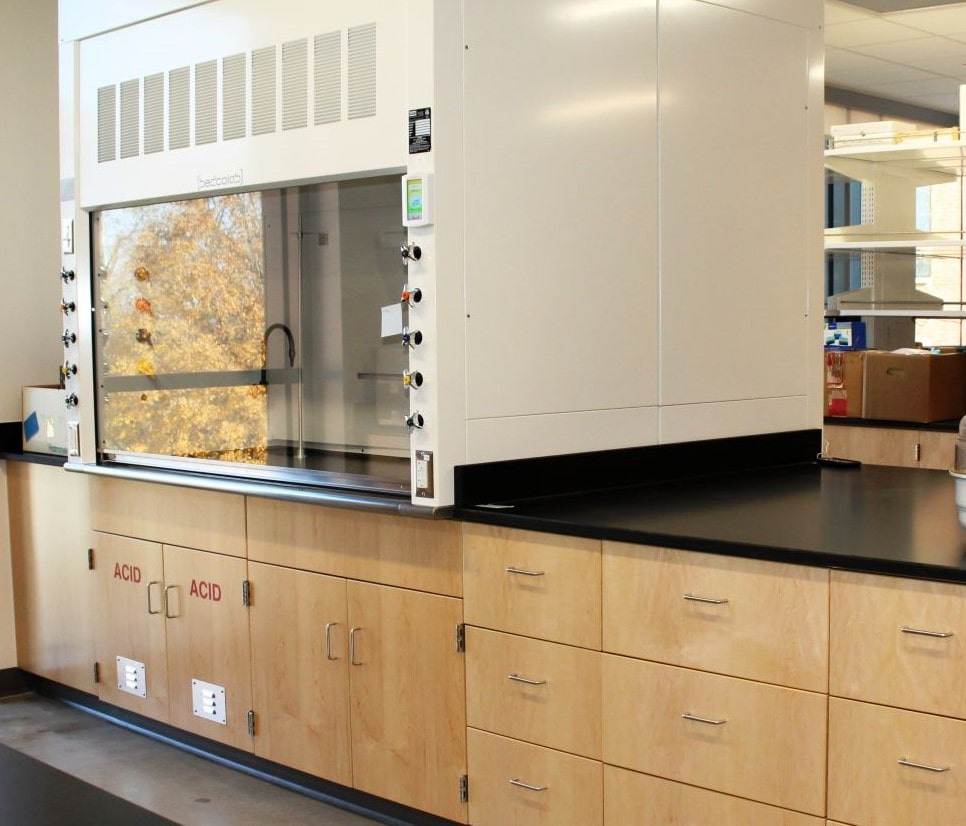
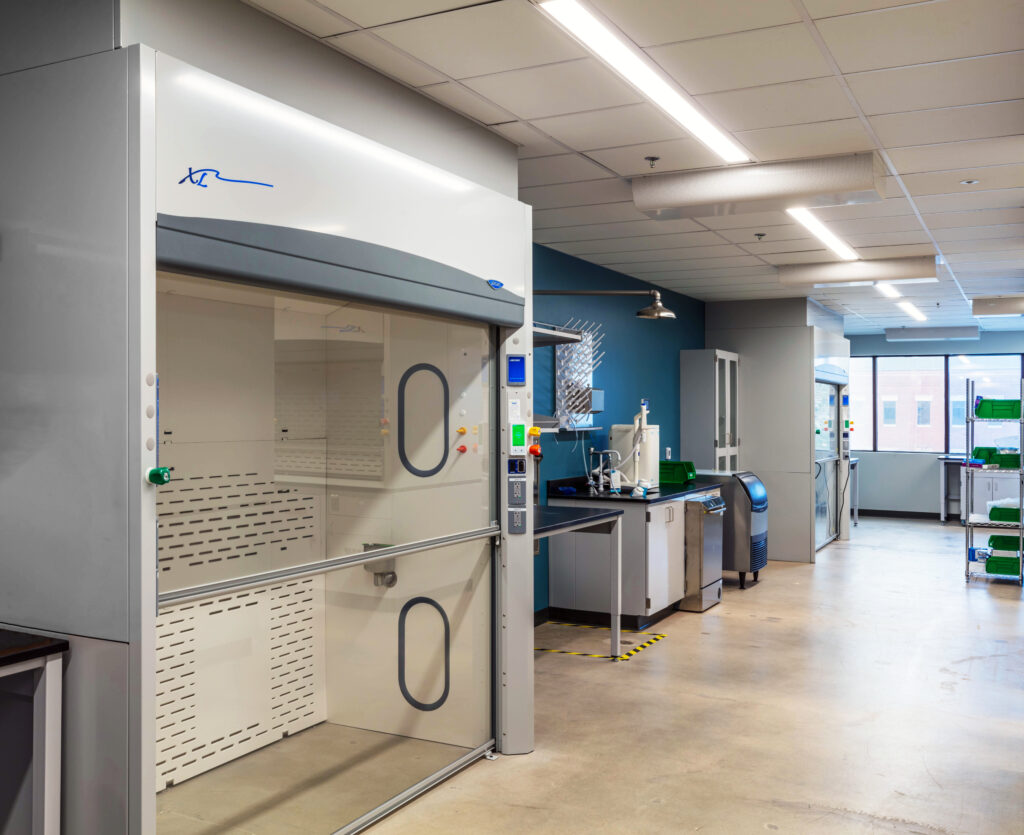
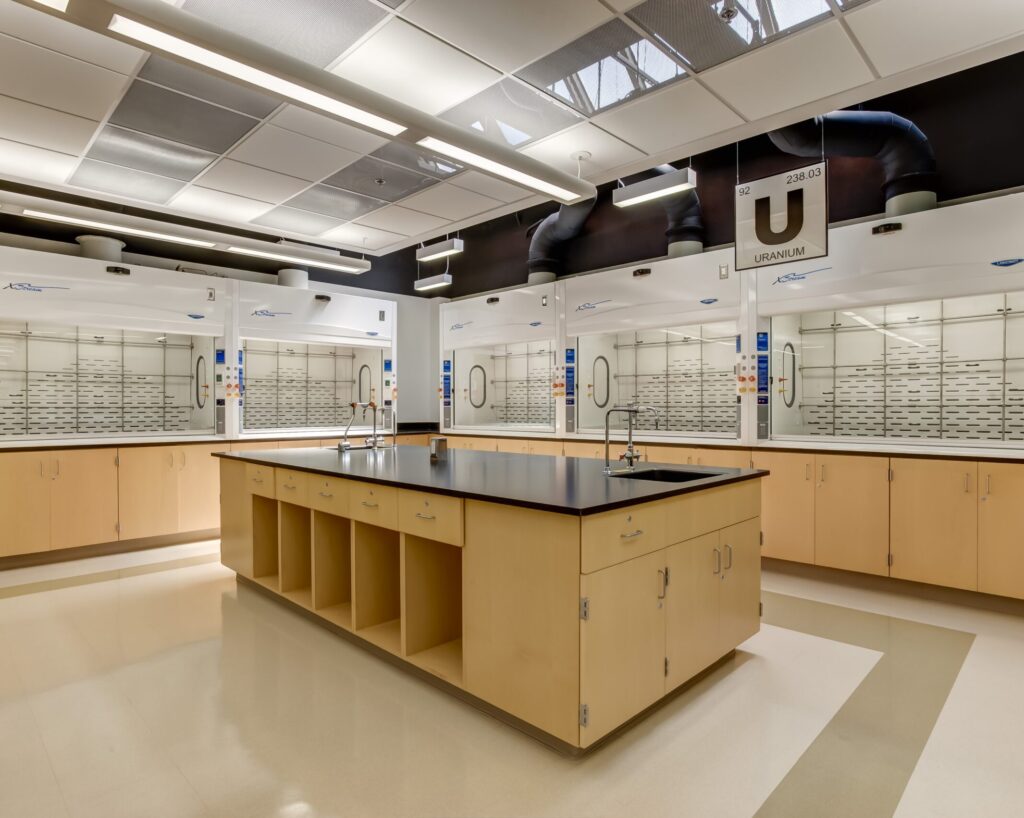
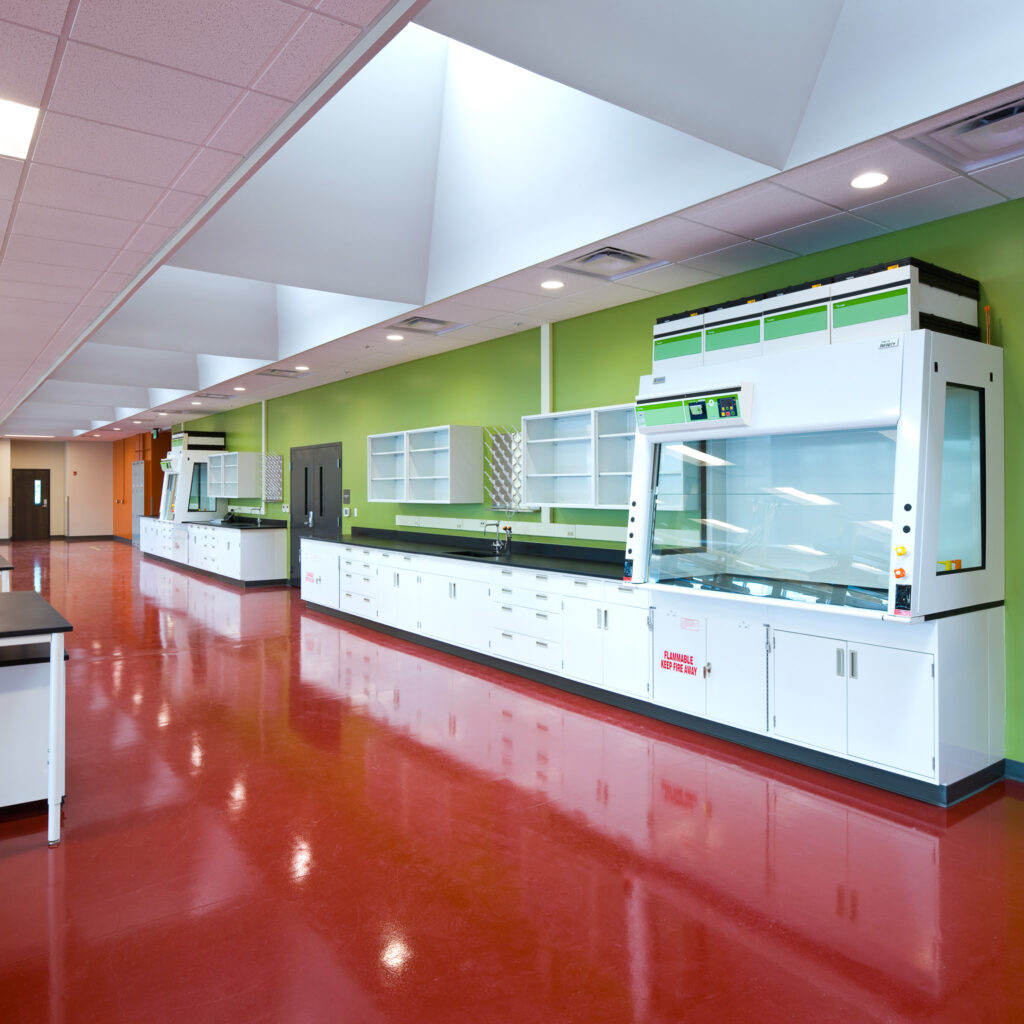
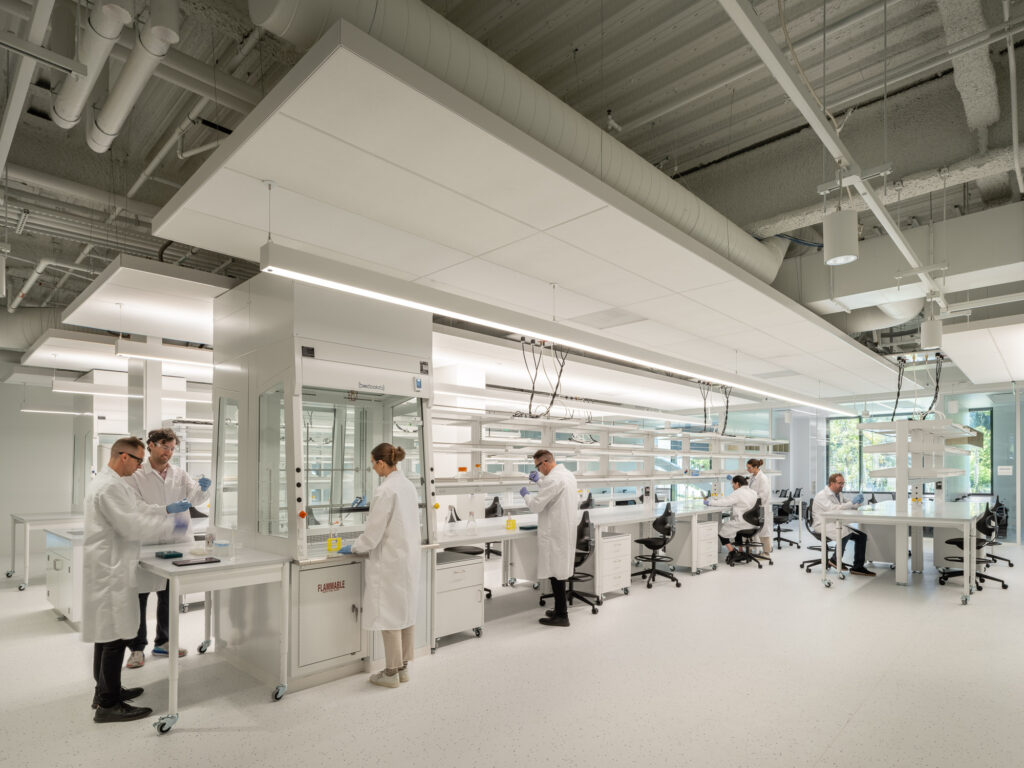
Working in a laboratory environment often means researchers, scientists, and students may be exposed to potentially hazardous materials. Specifically, many of the chemicals used in a lab give off fumes that can cause a wide range of health and safety concerns if people spend too much time with them. This makes a chemical fume hood an essential piece of safety equipment for research facilities, manufacturing plants, universities, and other environments. As a leader in providing high-quality laboratory equipment and furniture, H2I Group has the expertise and experience needed to match your facility with the right solution to ensure all your operational and air quality needs will be met.
Your Source for Chemical Lab Fume Hoods
Thanks to our long-standing relationships with some of the leading manufacturers in the lab equipment industry, we offer you a wide selection of fume hoods for your chemical laboratory. These include ducted and ductless options to fit your laboratory’s space and infrastructure needs. When you choose to work with us, you can be sure that we will guide you to the correct unit for your specifications, location, and budget. We can evaluate your lab space and match you with the right chemical fume hood from a leading manufacturer. With our help, you’ll gain confidence in your choice and rest assured you have the right equipment for the task.
How Fume Hoods Work
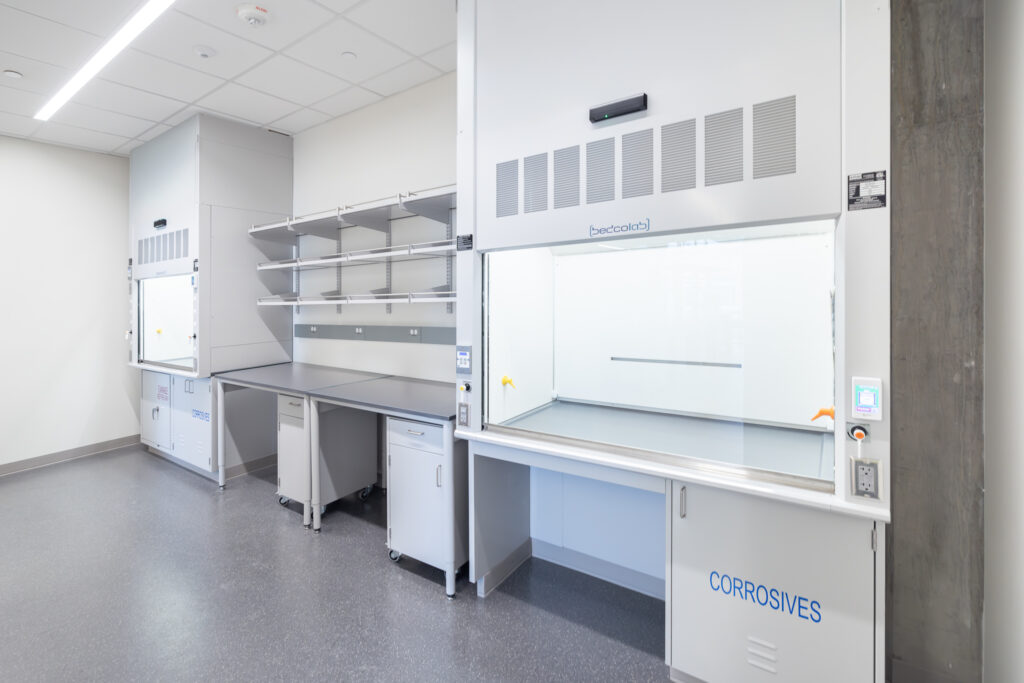
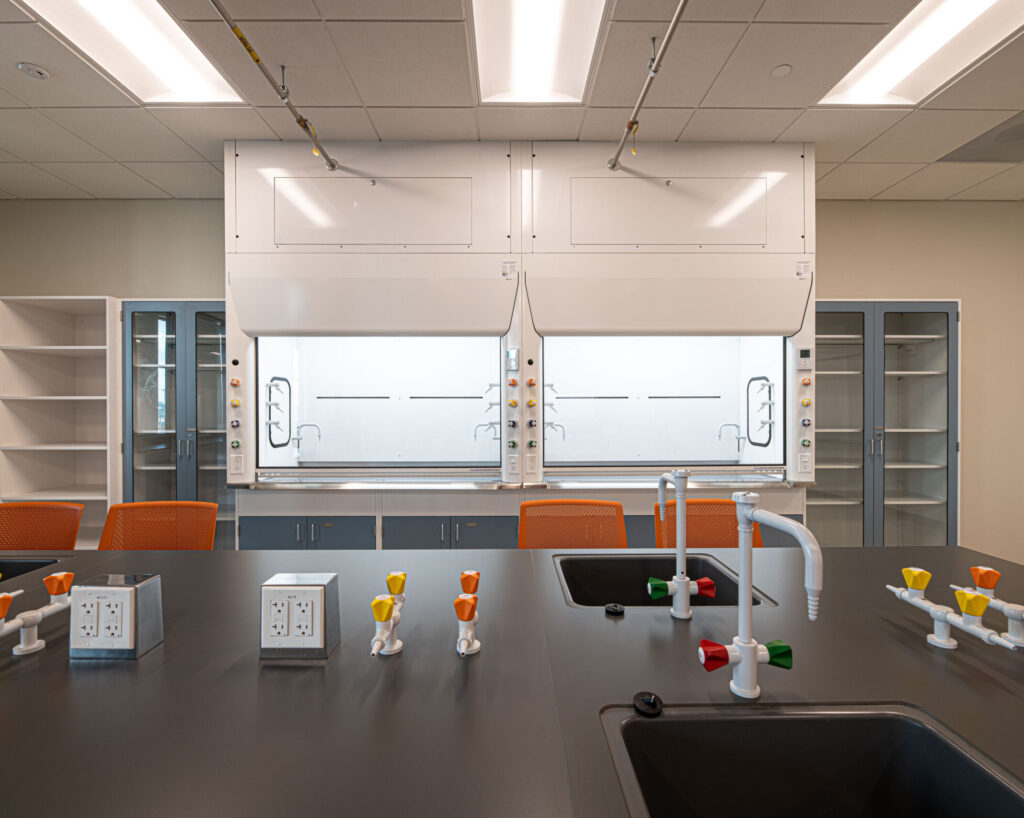
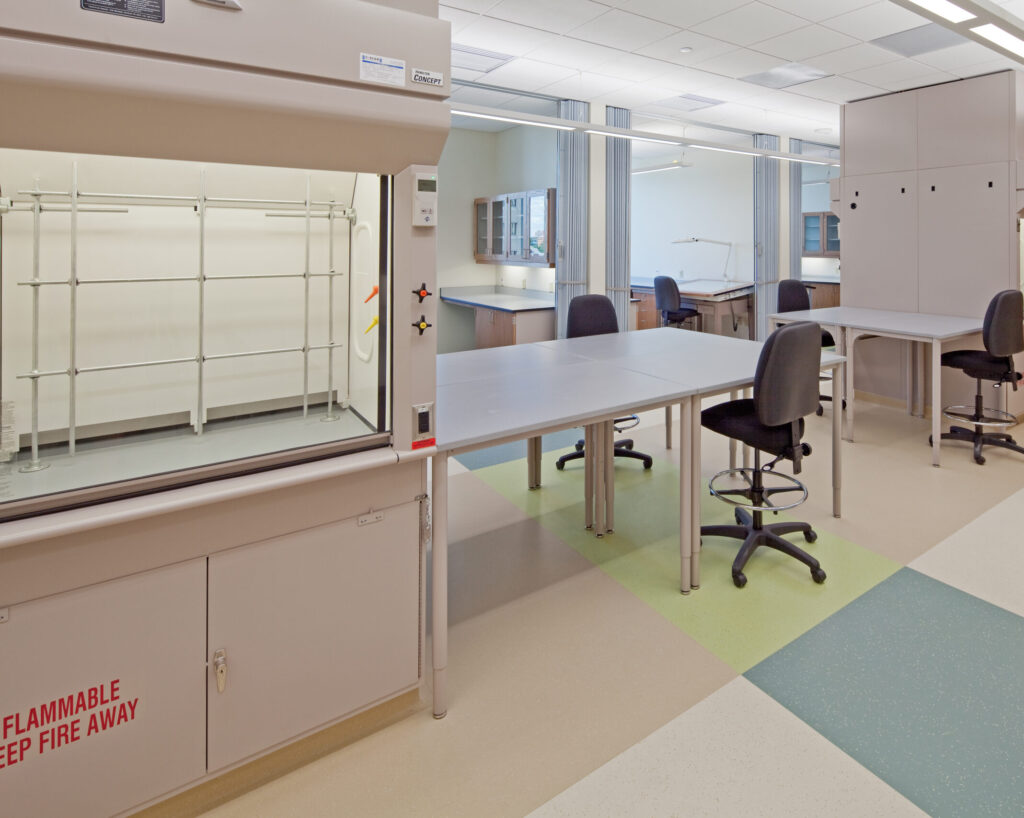
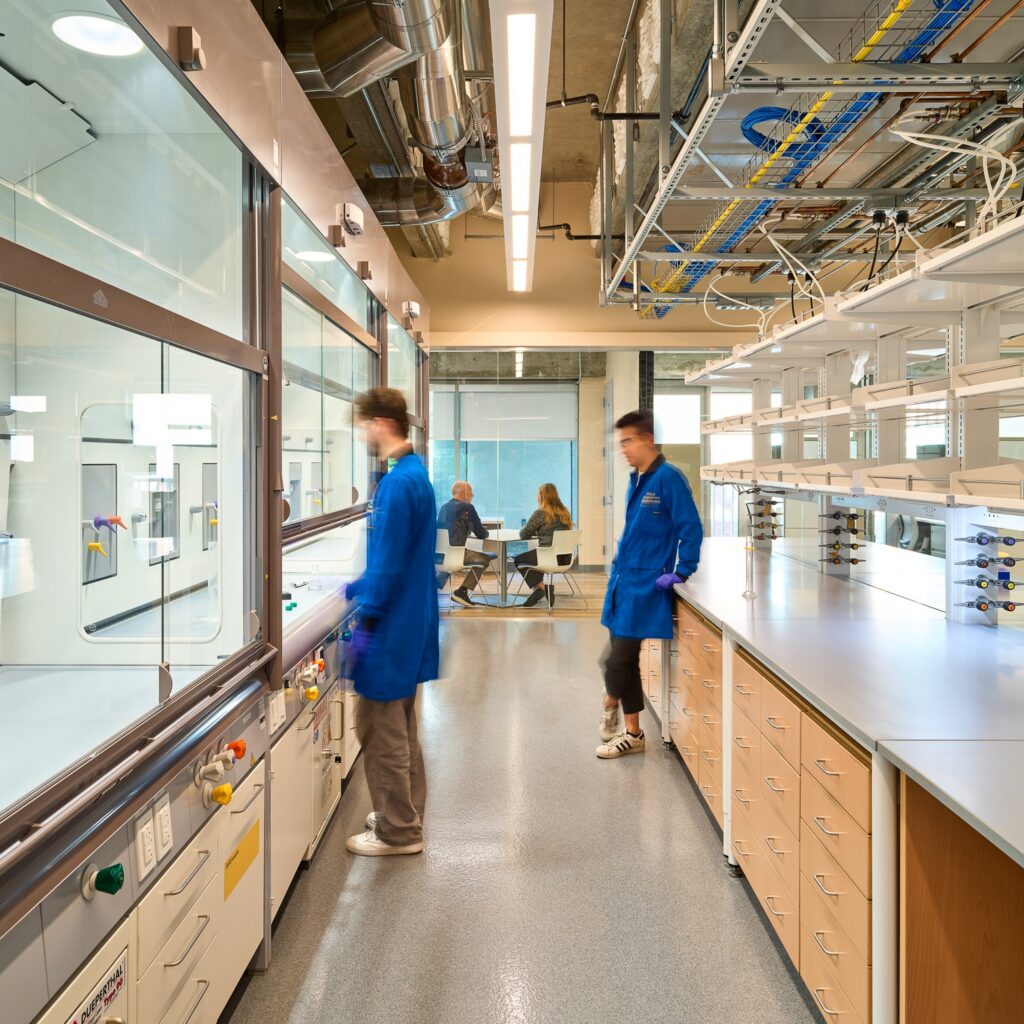
A chemical fume hood is an enclosure that enables technicians and scientists to work with hazardous chemicals without risk of exposure to the fumes they produce. Users sit or stand in front of the unit and work with the chemicals inside the enclosure. A blower at the top of the unit draws the air inside the unit away from the user, protecting them from any fumes generated by the chemicals.
There are two main categories of chemical fume hoods:
- Ducted Chemical Fume Hoods: These are connected to an exhaust system built into the laboratory. As the air is drawn out of the enclosure, it passes into the exhaust system where it is vented outside the building safely so there is no risk of exposure to anyone inside or outside of the lab. This is the most common type of fume hood, but it requires existing infrastructure or renovations to the lab space to accommodate the exhaust system.
- Ductless Chemical Fume Hoods: Also known as filtered fume hoods, these units don’t feature any exhaust connections. Instead, the contaminated air is drawn into the top of the unit, where advanced filtration technology is used to capture any contaminants and remove them from the air before it is released back into the lab environment. These units are the best choice in labs where there is no exhaust system or in situations where energy conservation is a priority. However, they also require more maintenance than ducted fume hoods, including regular replacement of the filters.
Chemical fume hoods of both types come in a wide range of form factors. They can be either freestanding floor-mounted designs or benchtop models that can be installed onto existing countertop space. In some cases, labs require specialized fume hoods for dealing with exceptionally challenging or hazardous chemicals such as perchloric acid or those used in acid digestion processes.

Our ceiling-mounted basketball hoops offer the ultimate in adaptability and performance. Custom manufactured to fit your facility’s ceiling truss layout, these basketball backstops can be configured as forward folding, backward folding, side folding, or stationary units. Enjoy unobstructed sightlines and seamless operation with electric or manual retractable mechanisms, ensuring a superior basketball experience for players and onlookers.
Fume Hoods vs. Other Laboratory Enclosures
Some people confuse chemical fume hoods with other types of safety enclosures also used in laboratory settings. To ensure you have the proper setup for your facility, it’s important to understand the differences between fume hoods, biosafety cabinets, and laminar flow hoods.
For example, biosafety cabinets utilize the same basic principles as a fume hood, but the focus is on filtering out pathogens such as viruses and bacteria. The filtration systems are fundamentally different by design, and one cannot be considered a substitute for the other. Another type of enclosure similar to fume hoods but employing a different principle is the laminar flow hood. The key difference here is that laminar flow hoods create a curtain of air that blocks contaminants from the air outside the enclosure from entering. These are used most commonly when working with biological samples and in cleanroom manufacturing environments. Laminar flow hoods are not designed to filter or clean the air it uses, but rather, it filters the air coming into the hood to protect samples from cross contamination
Trust H2I Group to Help You Find the Right Equipment
With more than 100 years of experience serving laboratories across multiple industries and sectors, H2I Group has the knowledge and understanding of your needs that ensures the proper fit. Our team of experts is willing to sit down with you to talk about your facility and the equipment or furniture that will be best-suited for helping you accomplish your goals. If you want to learn more about our comprehensive capabilities when it comes to specialty contracting for labs, reach out and speak with a member of our team today.
OUR FEATURED PROJECTS
GET THE LATEST
NEWS & UPDATES
Check out the blog for the latest industry insights, additional projects, and company updates to learn more.
October 28, 2025
Stratasys FDM 3D Printers for Education: Safe, Certified, & Classroom-Ready
Discover why Stratasys FDM 3D printers are ideal for K-12 and higher education. Learn about GREENGUARD Certified safety, NOCTI certification programs, and multi-year bundles that prepare students for real-world careers.
Read MoreSeptember 16, 2025
H2I Group Recognized Nationally as a 2025 Top Workplace in the Construction Industry
H2I Group, Inc. has been named a 2025 Top Workplace in Minnesota by the Star Tribune, based on employee feedback gathered through Energage’s workplace survey.
Read More